
Comic Book Value Scanner
Identifier StudioComics
4.467.00 Reviews
- Version
- 1.3.1
- Installs
- 50.00K
- Age Rating
- Everyone
Screenshots

Our Review of Comic Book Value Scanner
 Analysis by Appyee
I’d start with the cost question before treating any comic scanner as a shopping tool. Comic Book Value Scanner is free to install, which makes it easy to try for a quick check without paying upfront. The app is developed by Identifier Studio, and it sits in the comics category rather than being a general-purpose shopping or inventory app. It has a 4.7 average from around 980 ratings, with over 10,000 installs, but those figures are a snapshot of popularity—not proof that an estimate will match what a particular buyer will pay.
There are in-app purchases priced from $4.99 to $39.99 per item. I’d separate that potential spend from the free starting point: the app is not simply a paid download, but some purchases can cost substantially more than a casual tryout. Before buying anything, I’d check what the offered item unlocks and whether it solves a problem I actually have. A price guide is most useful when it helps with repeated decisions, not when one tempting estimate makes an upgrade feel urgent.
What the scanner can help you decide
The practical value here is reducing the time between spotting an unfamiliar issue and getting a first sense of what it might be. That is useful when you are sorting a box from a relative, browsing a collection you have not opened in years, or checking a comic at a sale. Instead of relying on a vague memory of a character or cover, you can use a scan as a starting point for identifying the book and considering its value.
I would still treat a scanner’s result as a lead, not a final appraisal. Two copies of the same issue can differ sharply in condition, and a guide value does not guarantee that a local shop, online buyer, or convention seller will offer that amount. For a valuable-looking book, I’d verify the issue details, inspect the copy carefully, and compare against actual sales of a similar condition before setting a price. That extra check matters more than a confident-looking number on a screen.
Where it fits among comic-collecting tools
Compared with flipping through a printed price guide, a phone scanner is more convenient for a quick identification while the comic is in your hand. Compared with a spreadsheet or a dedicated collection log, a value-focused app may get you to a first estimate sooner, while a spreadsheet gives you more control over how you record purchase costs, condition notes, and selling plans. I’d use the scanner for discovery and a separate, carefully maintained record for anything I would be upset to lose track of.
It is also different from asking a comic shop for an appraisal. A shop can assess the physical copy and explain the local market, while an app is easier to consult privately and on the spot. Neither should be treated as automatically definitive: use the app to identify what deserves a closer look, then seek a human opinion when the decision involves a meaningful amount of money.
A sensible workflow for a box of comics
For a big collection, I would not scan everything in one hurried session and assume the resulting list is a reliable inventory. I’d work in small batches, keep the comics in their existing order, and jot down any issue that needs a closer inspection. That preserves context—such as which books came from the same run—and makes it easier to return to a promising find without mixing up copies.
Lighting and presentation matter with any camera-based identification workflow. I’d try a clear, straight-on view of the cover first, avoiding glare from a bag or sleeve; if a barcode is present and accessible, I’d try that route as well. If the first result seems wrong, I would not keep accepting it just to move faster. Check the issue number and cover details yourself before relying on the match. A few careful scans are more useful than a long list of plausible but unverified entries.
Who is likely to get the most from it?
This is most appealing to casual collectors, lapsed readers returning to the hobby, and people sorting comics who need a convenient first pass at identification and value. It can also be handy for a buyer at a flea market who wants to pause and investigate an issue before making an offer. The app is rated for Everyone, so its audience is not limited to experienced collectors, though knowing how comic condition affects price remains important.
On the other hand, I would skip it as a sole source if I were pricing a high-value collection for insurance, estate planning, or a serious sale. Those decisions need careful condition grading and evidence from comparable transactions, not just an automated lookup. It is also a poor fit for someone who only wants to read digital comics: its appeal is tied to identifying and evaluating physical books, not replacing a comics reader.
One everyday example: imagine finding a few long-boxes in a family member’s garage before a move. I’d scan a handful of covers that look unfamiliar, note the issues that appear worth researching, then separate those for a closer condition check. I would not price the whole collection from a quick scan. That approach makes the app useful without letting an estimate turn into an assumption about what the books will sell for.
Your Personal Comic Book Guru
Let’s dive into what makes this app a real gem for comic enthusiasts. First off, the interface is super user-friendly. You don’t need to be a tech wizard to navigate through it. As soon as you open the app, you’re greeted with a clean layout that’s easy on the eyes and straightforward to use.
Scan and Discover
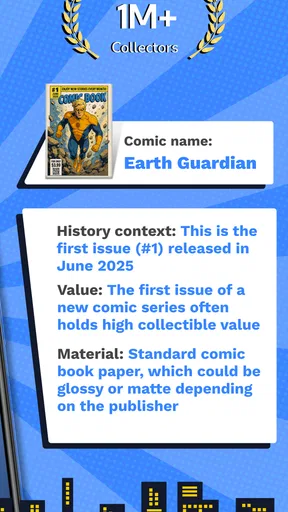
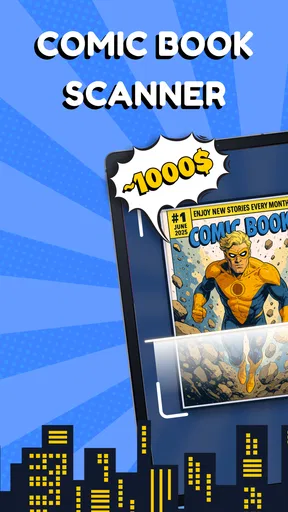
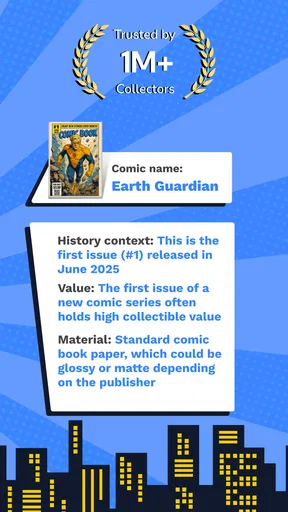
One of the coolest features is the scanning capability. Just point your phone’s camera at the comic book’s barcode or cover, and voila! The app quickly pulls up all the details you need—title, issue number, and even a brief summary. It’s like having a personal assistant who’s into comics as much as you are.
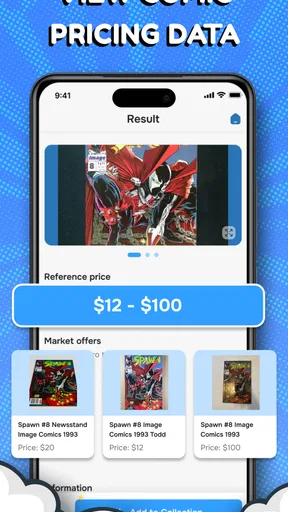
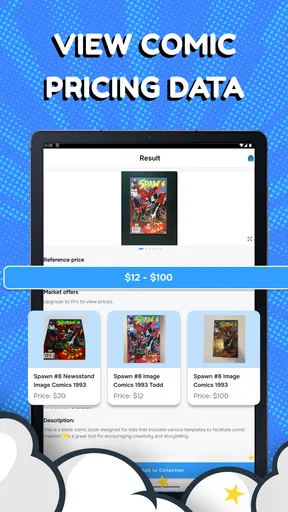
But it doesn’t stop there. The real magic happens when the app evaluates the current market value of your comic. It’s like having access to a never-ending comic book price guide that updates in real-time. So, if you’ve been out of the comic loop for a while, this feature will bring you right back up to speed.
Stay Updated with Market Trends
Another nifty feature is the market trends section. You can see which comics are currently hot sellers and which ones are cooling off. It’s perfect for collectors who are looking to buy, sell, or just keep tabs on their favorite issues. The app also offers notifications for significant value changes, so you’ll never miss out on an opportunity to cash in or snag a deal.
Build Your Own Collection
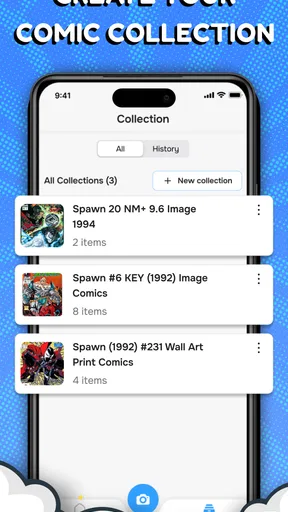
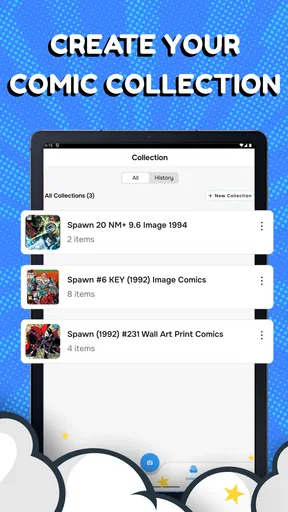
Now, if you’re like me and have a hard time keeping track of your collection, the Comic Book Value Scanner has your back. You can catalog your entire collection right within the app. This feature is a lifesaver when you’re trying to figure out whether you already own that rare issue or if it’s just wishful thinking.
The app also allows you to add notes and track the condition of each comic. It’s a great way to maintain a detailed record, especially if you’re planning to sell or trade in the future.
Community and Feedback
Let’s not forget the community aspect. The app connects you with other comic book lovers. You can exchange tips, discuss trends, and even participate in forums. This community vibe adds a layer of excitement and connection that makes the app more than just a tool—it’s a place for fans to geek out together.
Plus, the developers are pretty active in seeking user feedback. They’re constantly updating the app to improve functionality and add new features, which is always a bonus in my book.
Version, compatibility, and expectations
The current version is 1.1, and it was released on May 6, 2025. It requires Android 10 or later, so I’d check the operating system on an older phone before planning to use it at a shop or convention. That small check avoids the frustrating situation of discovering a compatibility issue when you are already trying to make a quick decision.
Because the app includes scanning, I’d also think about the conditions in which I expect to use it. A quiet table with good light is a better place to assess a collection than a crowded aisle where glare, shadows, and people waiting behind me can rush the process. If I were shopping in a hurry, I’d scan only the candidates that genuinely interest me, then research the rest later rather than treating every cover as a must-check.
Using estimates without overpaying
A displayed value can influence what a comic feels worth, so I’d set a budget before browsing rather than letting a high estimate set the price in my head. For a purchase, I would compare the condition of the copy in front of me with the condition implied by the reference value. A worn spine, loose page, or writing inside can change the real-world offer even when the issue identification is correct.
For selling, the same caution works in reverse. I would use the app to decide which books deserve research, then compare several similar copies and account for condition before choosing an asking price. A guide can be helpful for prioritizing, but asking prices are not the same as completed sales, and neither automatically predicts how quickly a book will move. This distinction is especially useful for common issues: a seemingly interesting estimate does not mean every copy has an eager buyer nearby.
Making collection notes genuinely useful
If I use the catalog for more than a quick experiment, I’d keep my notes consistent. A short entry such as “creased lower corner, bagged, bought in the family box” is more useful later than a vague label like “good.” I’d record uncertainty too: if I have not checked whether an issue is a variant or inspected the interior, I would avoid treating the entry as final. This turns a catalog into a practical working record rather than a list of scans.
I would also avoid entering a whole collection before deciding what I want the catalog to do for me. If the goal is to prevent duplicate purchases, issue identification and ownership notes are the priority. If the goal is selling, condition and source notes matter more. Focusing on one purpose keeps the work manageable and makes it easier to judge whether any paid purchase is worth considering.
When another approach is better
For a reader who wants recommendations, story discussions, or digital editions, a comics community or reading app is a more natural fit than a scanner built around physical books and value. For a collector managing thousands of items with detailed acquisition records, a dedicated database or spreadsheet may offer a more deliberate system. And when a rare book is about to change hands for serious money, a qualified human appraisal and evidence from comparable sales are stronger safeguards than a phone lookup alone.
Those alternatives do not make this scanner pointless; they clarify its best role. I see it as a convenient first step between curiosity and a more informed decision. It can help narrow down what you have, what deserves attention, and what you might research next, without replacing expertise or careful record-keeping.
In conclusion, the Comic Book Value Scanner is a must-have for any comic book aficionado. Whether you’re a casual reader or a hardcore collector, this app has something for everyone. It’s like having a comic book encyclopedia, price guide, and social hub all rolled into one neat package. So, if you’re ready to take your comic collection to the next level, give this app a shot. You might just find that hidden gem lurking in your stash!
My buy-or-skip verdict
I would try it if I had physical comics to identify, wanted a quick starting point for research, or needed a handy way to keep track of books I already own. Free access makes that initial test low-commitment, while the in-app purchases deserve a deliberate look at their exact value before spending. The 4.7 average and around 980 ratings suggest that many users have engaged with it, but I would base my decision on whether scanning and cataloging actually fit my routine.
My recommendation is measured rather than unconditional: use it as a companion for discovery, not as the sole authority on a comic’s market value. Skip it if you only read digitally, need formal appraisal, or prefer a fully controlled inventory system. For everyone else, it can make the first step of sorting, checking, and researching a stack of comics less tedious—provided you confirm important matches and treat prices as guidance rather than a guaranteed sale.
Privacy and Permissions
See what permissions an app requests and how it handles your data.
- Photos/Media/Files
- read the contents of your USB storage, modify or delete the contents of your USB storage
- Storage
- read the contents of your USB storage, modify or delete the contents of your USB storage
- Camera
- take pictures and videos
- Other
- view network connections, full network access, prevent device from sleeping, Google Play license check
Verdict
Strengths of Comic Book Value Scanner
- Easy-to-use interface for quick scanning.
- Accurate value estimates for collectors.
- Supports a wide range of comic issues.
- Regular updates with new features.
- Detailed comic information and history.
Limitations of Comic Book Value Scanner
- Requires internet for full functionality.
- Some features locked behind paywall.
- Occasional scanning errors on rare issues.
- Limited offline capabilities.
- Ads can be intrusive at times.
Other Releases by Identifier Studio
View All
AI Interior Design Home Decor
House & Home4.3

TCG Card Scanner TCG Collector
Sports4.7

Coin Identifier Coin Scanner
Business4.3

Jewelry Identifier Gem Scanner
Business4.4
Similar Picks in This Category
View All
WEBTOON: Manga, Comics, Manhwa
NAVER WEBTOON4.6

MangaToon: Comic & Manga
MangaToon4.3

네이버 웹툰 - Naver Webtoon
NAVER WEBTOON4.3

Tapas – Comics and Novels
Tapas Entertainment Inc.4.2

Lezhin Comics - Daily Releases
LEZHIN ENTERTAINMENT3.3

WebComics - Webtoon & Manga
WEBCOMICS HOLDINGS HK LIMITED4.4
Frequently Asked Questions
What is Comic Book Value Scanner and how does it work?
Comic Book Value Scanner is a mobile application designed to help comic book enthusiasts assess the value of their collections. By scanning the barcode or entering details manually, the app provides estimated market values based on current sales data. This tool is particularly useful for collectors and sellers who want to stay informed about the worth of their comics.
Is Comic Book Value Scanner available for both Android and iOS devices?
Yes, Comic Book Value Scanner is available for download on both Android and iOS platforms. Users can find it on the Google Play Store for Android devices and the Apple App Store for iOS devices. Make sure your device meets the minimum system requirements to ensure smooth operation.
Does Comic Book Value Scanner require an internet connection to function?
Yes, an internet connection is necessary for Comic Book Value Scanner to access the latest market data and provide accurate valuations. While some features might be accessible offline, the app performs best when connected to the internet, ensuring users receive up-to-date information and prices.
Are there any in-app purchases or subscriptions needed for Comic Book Value Scanner?
Comic Book Value Scanner offers a free version with basic features. However, for more advanced functionalities, such as detailed analytics and unlimited scans, users might need to purchase a subscription or make in-app purchases. These options are designed to enhance the user experience for serious collectors.
How accurate are the valuations provided by Comic Book Value Scanner?
The valuations offered by Comic Book Value Scanner are based on current market sales data and trends, making them reasonably accurate. However, users should be aware that these values are estimates and can fluctuate due to market dynamics. It's always a good idea to cross-reference with other sources when making significant buying or selling decisions.
